
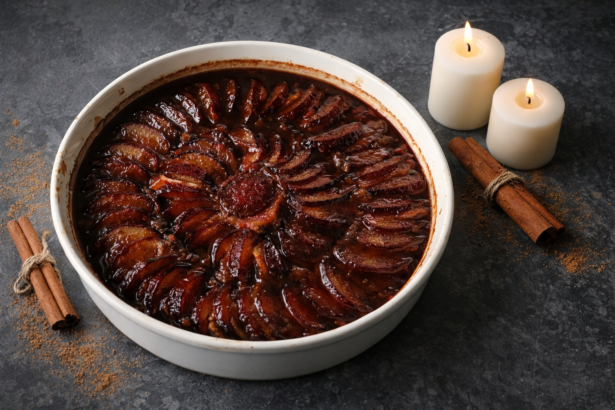
Christmas is more than lights and playlists. It is smell and memory. It arrives quietly. Much before December 25. Through kitchens. Through bakeries. Through habits we slip back into every year without thinking. At the centre of it all is the Christmas cake. And once the air starts smelling of baking, something shifts. Not loudly. Just a small kind of magic.
Friends Campu and Raka, long-time December companions, grow wings. Thin, invisible ones. They become Christmas fairies for a while. Floating from one bakery to another. Peeking into ovens. Counting raisins. Arguing gently over which cake smells better. They do not buy much. They inhale. They smile. They move on. December allows such things.
Across continents, the idea of Christmas cake remains the same. A rich, spiced bake. Heavy with dried fruits. Made to be shared. Cut slowly. Gifted generously. The tradition is old. Medieval Europe old. In early England, Christmas baking was not about celebration at all. It was about getting through winter. People made a thick porridge. Oats. Dried fruits. Honey. A little spice. Something filling. Something that gave strength in the cold. Much later, flour came in. Then eggs. Butter too. And slowly, that heavy porridge turned into what we now recognise as Christmas cake.
The word plum did not always mean the fruit we know today. In old English kitchens, raisins and currants were simply called plums. No fuss about accuracy. That is how plum pudding got its name. And plum cake too. Even though there were no fresh plums in sight. There was a ritual too. Families would gather on what later came to be called Stir-up Sunday. The last Sunday before Advent. The batter was brought out. Everyone stirred it. One after the other. Wishes were made. Coins were sometimes added. The cake was meant to mature slowly, much like the season itself. As the British travelled, the cake travelled with them.
In India, Christmas cake found fertile ground. It adapted easily. Our climate liked rich flavours. Our kitchens understood spice. Our cities gave the cake new personalities.
In Kolkata, plum cake became nostalgia in a paper box. Old bakeries. Long queues. The smell of fruit soaked in rum. It just hangs in the air. A slice saved for Christmas Eve evening, after sunset.
In Kerala, legend places the birth of India’s modern plum cake in Thalassery in the 1880s. A British planter wanted a cake from home, and local baker Mambally Bapu recreated it using local ingredients. Cashew apples. Kadalipazham bananas. Indigenous liquor. The cake caught on. A regional favourite became a national one.
Mumbai gave plum cake a different life. Here, it became both bakery staple and home experiment. Available in Irani cafés. Packed into tins for travel. Picked up on the way to office parties. In a city that celebrates everything loudly, plum cake offered something grounding. Familiar. Reliable.
Delhi embraced it quietly but completely. In a city of contrasts, plum cake found space on elegant Christmas tables and modest homes alike. From five-star hotel patisseries to neighbourhood bakeries, the cake became part of the capital’s year-end rhythm. Served after dinners. Sent as gifts. Cut during soft winter afternoons when the sun feels kind. Across cities, the cake stayed constant even as details changed.
For some families, that continuity is not just cultural, but personal. “We have already started baking our cakes for the Christmas season,” says Crescentia Scolt Fernandes, celebrated Indian chef and food heritage advocate. “Our plum cake recipe, handed down through three generations, remains exclusive and unpublished.” Founder of the erstwhile Bernardo’s in Delhi-NCR and Crescentia’s Kitchen, she adds, “From baking in sand-filled urlis in the 1930s to careful ageing today, the ritual has evolved, but the recipe remains a closely guarded family secret.” Dense. Dark. Fruit. Nuts. Cinnamon and clove. Nutmeg too. And sometimes, a light brush of alcohol. Sometimes completely sober. Never flashy. Never rushed.
Christmas cake marks celebration. Plum cake marks continuity. It is not a cake for instant gratification. It waits. Many believe it tastes better the next day. Or the next week. Some swear by ageing it for months. Wrapped carefully. Fed occasionally with a little rum. Chefs will tell you it is a cake of balance. Sweetness held back by bitterness. Spice kept warm, not sharp. Texture that comforts without being soft. Christmas cake is about gathering. Plum cake is about staying.
Wherever you are. Delhi. Mumbai. Kolkata. Kerala. When the kitchen smells like cake, the year knows it is time to rest. Slow down. Take a slice. Let the year end gently. Cake on the plate. Love around the table. Enough for this season.
A Simple Plum Cake Recipe
Ingredients 2 cups all-purpose flour 1 cup sugar 1 tsp baking powder 2–3 ripe plums, sliced 2 eggs ½ cup milk ½ cup oil or melted butter ½ tsp cinnamon (optional) Pinch of salt Method • Heat the oven to 180°C. Grease and line a small tin. • Whisk eggs and sugar till pale. • Add milk and oil. Stir gently. • Fold in flour, baking powder, salt and a pinch of cinnamon. • Add plum slices. Mix lightly. • Bake 35–40 minutes. Skewer should come out clean. • Cool. Slice. Have with tea and easy conversation.
About the author
Barsha Nag Bhowmick is a senior writer, journalist & columnist based out of New Delhi. At Mocha Ink Mag, she curates art, music & moments.
