
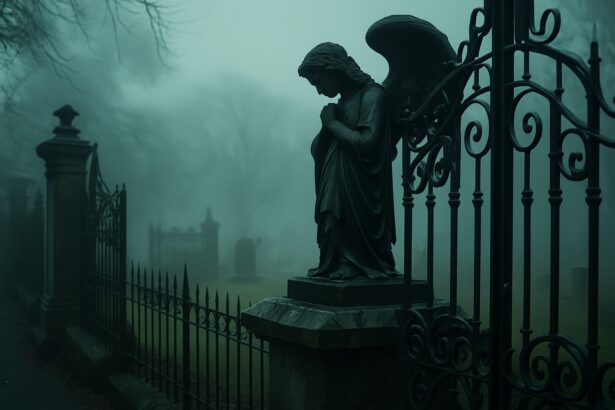
Reflection From the Quiet Side of Kolkata. Some places are not meant to be visited; they are meant to be entered, like a sentence inhaled before it becomes meaning. The Park Street Cemetery is one such threshold — a hush-soaked portal where Kolkata loosens its grip on noise, and you slip into an older conversation between stone, sky, and memory.
The gate slightly ajar, let me into what seemed like yards of silence. The outer orchestra of the city, dimmed as the afternoon light diluted into liquid gold – a prelude to a Kolkata winter. It filtered through banyan roots and frangipani leaves, touching everything as if teasing everyone awake.
In this filtered glow, even decay seemed elegant, softened, almost deliberate. The graves rose around me like paragraphs in a fading manuscript — some austere, some ornate, some touched by wild ivy in a way that made them seem loved rather than forgotten. Among them stood monuments that shaped the intellectual marrow of this city.
I paused before Sir William Jones’ grand edifice, the scholar who gifted India the language to understand itself anew. His tomb, tall and confident, felt like a stone library still holding breath. Nearby rested Henry Louis Vivian Derozio, the young firebrand whose poetry once ignited the Bengal Renaissance. His grave emanated the unmistakable energy of someone who left too early but lived intensely, the air around it almost crackling with unfinished sentences.
Walking deeper in, I found Rose Aylmer’s grave — perhaps the cemetery’s most tender heartbreak. Just twenty, immortalised by Walter Savage Landor’s aching lines, she lay under a simple stone that still feels wrapped in a young woman’s unspent dreams.
A pale butterfly hovered above her epitaph, as if keeping vigil for a story too short. Then there was Charles “Hindoo” Stuart, the Englishman who loved Bengal fiercely — who draped himself in Indian garments and adopted Indian rhythms at a time when no one from his world dared to.
His resting place hummed with an odd warmth, a reminder that belonging is not a matter of birthplace but of conviction. And tucked in a quiet corner stood the tomb of Robert Kyd, founder of the Botanical Garden — a man whose devotion to greenery now returns to him in vines and leaves that whisper through his stone.
It felt poetic, plants reclaiming the one who once tended them. Every grave held its own climate of memory. Every monument has its quiet stance of endurance. I wandered between them slowly, the silence deepening like a meditation. The cemetery isn’t still — it simply moves at a frequency that requires you to adjust your heartbeat.
A squirrel paused mid-branch. A stray dog stretched luxuriously in the sun. A caretaker swept leaves with the tenderness of someone who knows every stone by name. And then, as if to provide punctuation to the quiet, a white butterfly drifted across my path. Transparent, weightless, unhurried. It floated over a nameless grave, circled a broken urn, and vanished into a shaft of light. Something about its fragility felt directive — as though it was suggesting that life is not meant to be gripped but felt.
Sitting on an old stone bench, I slipped into silence. Death is the truth and cemeteries do not mourn; they teach. Silence. Patience. Dignity. Nothing is permanent. The soft truth, nothing is wasted — not a moment, not a memory, not a life.
By the time I stepped out again, Park Street had resumed its familiar fervor — taxis honking, coffee brewing, ambition pacing briskly down the pavement. Yet I carried a different tempo within me, a quieter pulse, a subtle spaciousness.
It was the kind of afternoon that doesn’t change your life, but changes the way you inhabit your life. Because in the heart of this old cemetery, I found something I didn’t know I was seeking: the silence that gives you wings. The truth that sets you free.
