
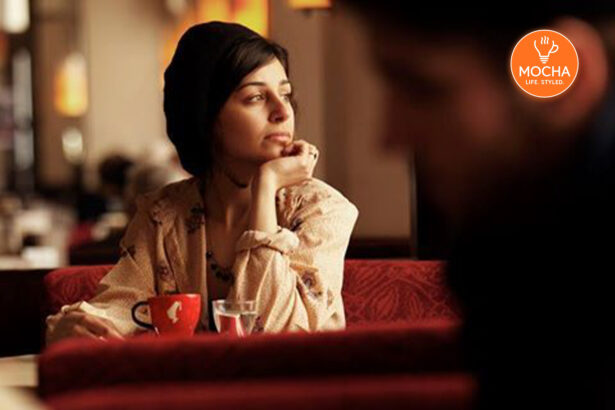
The swipe is dying. The young ones are not interested in dating apps. They are betting for context over randomness. The desperation for urgent connection is on a heavy decline. It is not a surprise then that dating apps are losing out in India.
The online dating lifestyle is a little bit over a decade old – it caught the fancy of the millennials, but Gen Z is not interested. There’s swipe fatigue.
When Tinder came up in 2013, the world latched up to it immediately. New to tech and fresh into the social media world, online dating had novelty value. But in no time, like all things tech, came about a thousand copycats. Most would have thought India would be a dating-app success story. The combination was robust – a young population,cheap data and zillions of smartphones. Market researchers still project growth till 2030, on paper.
The whispers in cafes, tell another story. The harsh truth? Screen fatigue, declining engagement and a quiet migration to other ways of meeting people. Match Group cut 13% jobs this year, Bumble announced a 30% global headcount reduction. The swipe economy worldwide is wobbling, even as India remains a key prize.
So is the target customer – the Gen Z taking an alternate route to dating? They probably are.
Most people who have used dating apps at some point or the other claim they have stopped using the apps as most of them seem spammy and random.”I realised I was spending a lot of time navigating through the apps, and trying to build rapport, but that’s about it. A real match or a connection seldom builds on these apps and people also lie a lot about themselves,” said Arsh, an IT professional based in Bangalore.
Most prospective ‘daters’ claim that everyone more or less say the same things and the apps are a mix of serious daters, dabblers, scammers and people who just want to kill time. A spate of crime incidents originating from dating apps have also led to a scare about meeting absolute strangers. Trust and safety is an issue. Women often flag verification gaps.
So where did the love go?
“I have been dating someone virtually for sometime. We were speaking frequently and chatting and over a few months we had shared quite a lot. Then I wanted to meet him and he started dodging it. I became curious and started to check the internet for his digital footprint. There was hardly any presence. I started asking him about his work and he got irritated and suddenly blocked me,” Riya who lives and works in Kolkata, told Mocha Ink Mag.
Dating somehow has not found its foothold in India as it may have already in other parts of the world. In India connection has more layered context than just chemistry. It’s about families, festivals, food habits, language, caste, class and long term intent.
There’s also a carefully crafted tech play working behind the overall disappointment with dating apps. Apps mostly monetize time-spent and not successful exits. The moment a couple graduates out of the dating app conversation, it signals revenue loss for the app. This tilts the app design towards engagement loops rather than resolution.
The energy is shifting. Instead of navigating through stranger-land, people are meeting at clubs and mixers. Ticketed socials, speed dating nights, hobby-based meetups are back in fashion. Curated rooms with shared interests – Eventbrite pop-ups and hobby communities are all back in vogue.
The premise? Reduction of randomness is seeking connection and navigating through common ground. Psychological safety is more important than ever for Gen Z. Trust layers through Instagram stories, friends of friends, location tags create a much more warmer approach than the cold queries of dating apps. DM first, date later feels safer than cold swipes.
The Indian match-making and mating economy is much more intentional than elsewhere. It is perhaps for this that matrimonial apps have been growing steadily. There’s always room for one more matrimonial app in India. While dating apps push you towards situationships, matrimonial apps usually work on sealing the deal.
What really works? Signal-rich profiles with elaborate details win in India over glossy minimalism. Indians want cues to map real life – festival habits, language, food, family style, financial values. Outcome is crucial.
The businesses with momentum are those aligned to endpoints—exclusive cohorts, finite programs or marriage-tied services—rather than infinite scroll. That’s why both revenue and hiring are flowing to wedding-adjacent offerings, not just swipe features.
So what is the deeper Indian dating story? Context is king. Apps did not fail to attract attention, they failed to offer anything beyond a meeting point which falls through in a society driven by cultural and familial layers. Here, connection is beyond social. Dating apps may still have half a chance to be back in the game; but they have to integrate more nuance once they understand how India loves.
