
Before hashtags and influencer deals, Young India had its own icons hidden in tin boxes, bathroom shelves, and school bags. These brands quietly shaped our childhoods and outlasted everything from independence to liberalisation. There’s comfort in their familiarity; those simple names stayed on our shelves like loyal friends. Long before “brand loyalty” became a popular term, India had mastered emotional loyalty. These weren’t just products; they were part of our shared childhoods, one biscuit, cream, jar, tube, and bar of soap at a time.
The Little Green Tube That Soothed And Healed a Nation
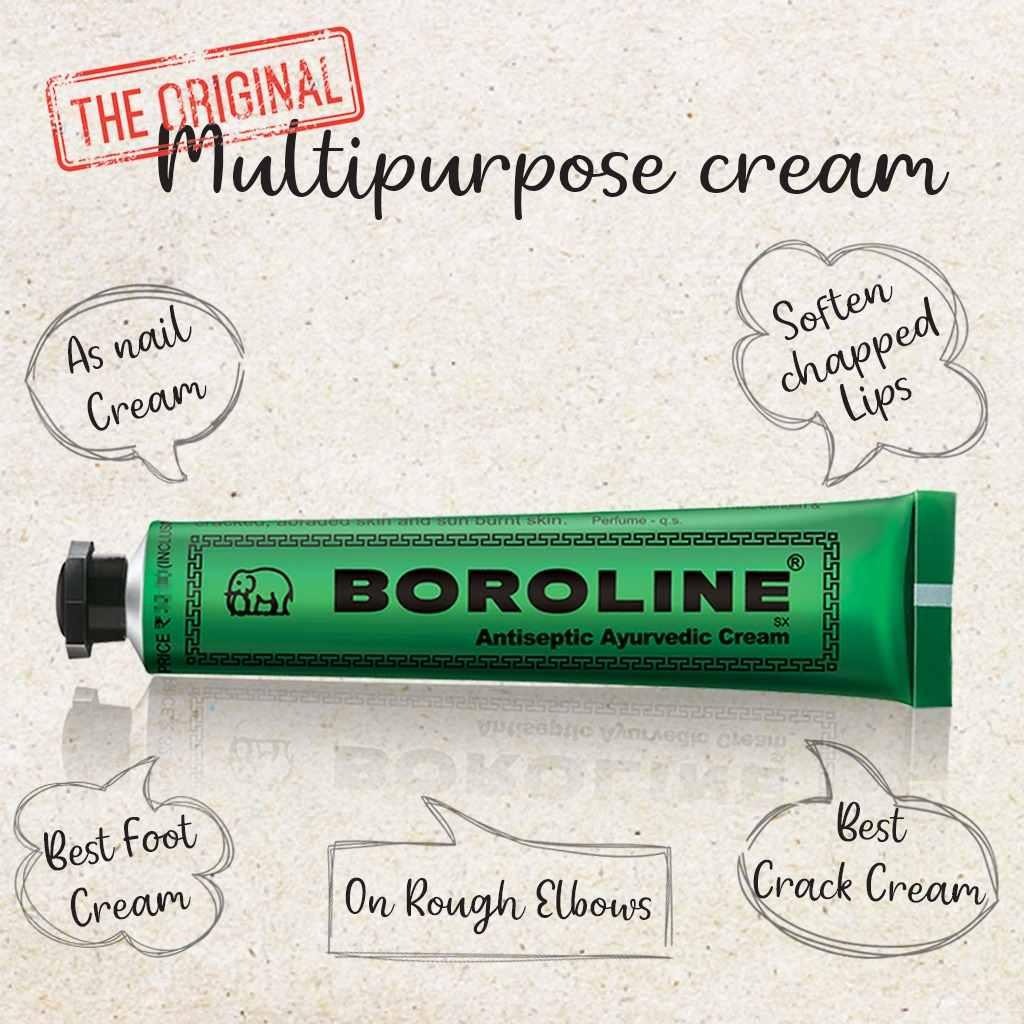
“I’ve been fostering Indian self-reliance since before it was cool.” In 1929 Calcutta, during the Swadeshi movement, a small green tube appeared – Boroline. Created by Gour Mohan Dutta, it was more than an antiseptic; it symbolised self-reliance. Named for boric acid and lanolin, its simplicity was its strength. Nearly a century later, Boroline still remains; its familiar scent brings back memories of warmth and care. Through decades of liberalisation and shiny imports, it kept its loyal following, especially in Bengal, where it still symbolises dependability and local pride.
The Red Brick of Comfort – Britannia
“India’s tea-time companion for over a century – crisp, comforting, and always reliable.” In 1892, a small bakery in Calcutta started making bread for British officers. This bakery became Britannia, a name woven into India’s daily routines. From the simple Marie Gold to the festive Good Day, Britannia biscuits have marked times of comfort and celebration. Its red-and-white logo means familiarity, trust, and the joy of shared tea across generations. Few brands have aged as gracefully or warmly.

The Taste of India – Amul
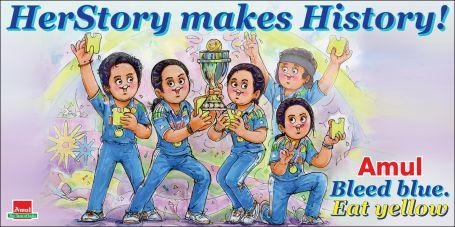
“Not just butter – an idea that nourished a nation.” In 1946, in Anand, Gujarat, farmers formed a cooperative to change India’s dairy industry. Amul was born not in corporate boardrooms but from the spirit of working together. From driving Operation Flood to making India the world’s largest milk producer, Amul became a symbol of self-belief. Its polka-dotted mascot evolved into the nation’s cheeky conscience, capturing moments from cricket triumphs to political humour. Amul is more than a product; it’s the taste of empowerment.
The Twirl of Cleanliness – Nirma
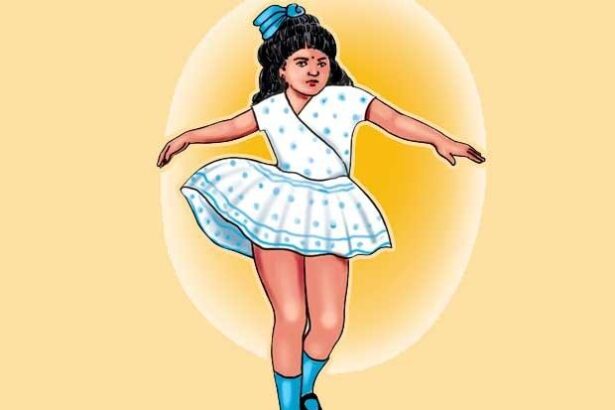
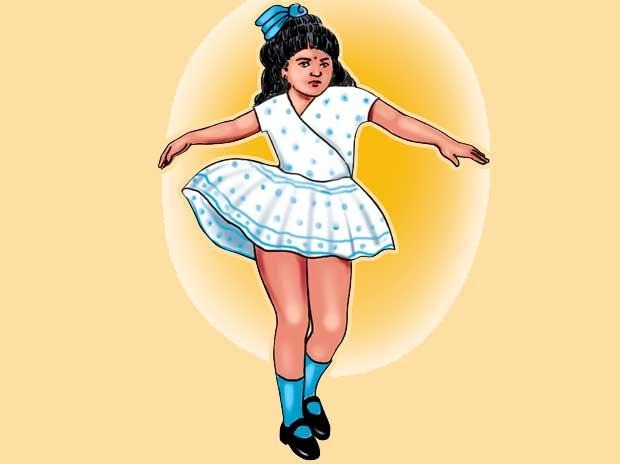
“I made dignity affordable and India proud.” The 1980s introduced color TVs, jingles, and a new sound of aspiration: “Washing powder Nirma!” Chemist Karsanbhai Patel created Nirma in his Ahmedabad backyard, selling it door-to-door at half the price of multinationals. His detergent made cleanliness accessible, showing that quality doesn’t have to be expensive. Amid glossy advertising, Nirma’s woman in a white sari stood tall every day, confident and modern; she represented middle-class pride. With one twirl of its little mascot’s dress, Nirma made affordability something to aspire to. Even today, my housekeeper refers to all detergent powder by the generic name “Nirma”!
The People’s Footwear – Bata
“I walked with India, step by step, dream by dream.” A Czech brand that became Indian by choice, Bata arrived in the 1930s and never left. Its factory township, Batanagar, near Calcutta, became one of Asia’s first industrial townships, a symbol of modern industrial India. For generations, “Bata shoes” marked beginnings, whether new school years, first jobs, or fresh starts. The squeak of polished leather before an interview, the well-worn pair a father wouldn’t part with; Bata became part of the rhythm of our lives.
A Stitch in time – Usha Sewing Machine
“Empowering hands, one stitch at a time.” If there was one hum that echoed through Indian homes in the 1950s and 60s, it was the rhythmic whir of the Usha Sewing Machine. More than a household appliance, Usha was a tool of transformation, especially for women. Launched by the Shriram group in pre-Independence India, Usha became synonymous with domestic enterprise. Every home that owned one had stories, of mothers stitching school uniforms late into the night, of daughters learning independence through needle and thread, of women turning skill into self-sufficiency.
For decades, its manual pedal machine symbolised dignity through craftsmanship. Usha didn’t just sew fabric; it stitched together dreams, thrift, and empowerment. Even today, as it reinvents itself with modern appliances and skill-building programs, the Usha legacy endures as a reminder that progress often begins at home with a steady hand and a foot on the pedal.
The Bard Who Endorsed Brands Like Bournvita
“I nourished not just bodies but ambitions, with the blessing of the Bard.” In the fascinating mix of art, commerce, and nation-building lies an unexpected story of a brand and its “influencer,” Rabindranath Tagore endorsing Bournvita. In the early 1900’s, as India balanced tradition and modernity, Cadbury’s malted chocolate drink entered the market, promoting nourishment and learning. Tagore lent his words to its campaign; poet, philosopher, Nobel laureate. There were no taglines or flashy pictures, just a few thoughtful words on vitality and education, reflecting wisdom rather than sales. Tagore’s connection to a British product set it apart from his usual endorsements but reflected something deeper: faith in education and modern progress. And the brand remained relevant just like its celebrity endorser! Between poet and product lay a rare moment where art met aspiration, and brand advertising became a tool for imagination.
The Enduring Spirit
What unites Boroline, Britannia, Amul, Nirma, Bata, and Bournvita is not just longevity but emotional connection. They’ve witnessed everything from colonial rule, independence, socialism, liberalisation, digital globalisation to global acceptance, and yet remained genuine and trusted. In a time of algorithm-driven brands and fleeting startups, their stories remind us that real trust is timeless. These brands didn’t chase trends; they built traditions. They didn’t exploit emotions; they earned them. If there’s a lesson in their endurance, it’s simple: authenticity never goes out of style.
About the author:
Arpita Mukherjee is a senior legal professional with over 35 years of experience across industry and practice. She advises on corporate, IP, and regulatory strategy.
