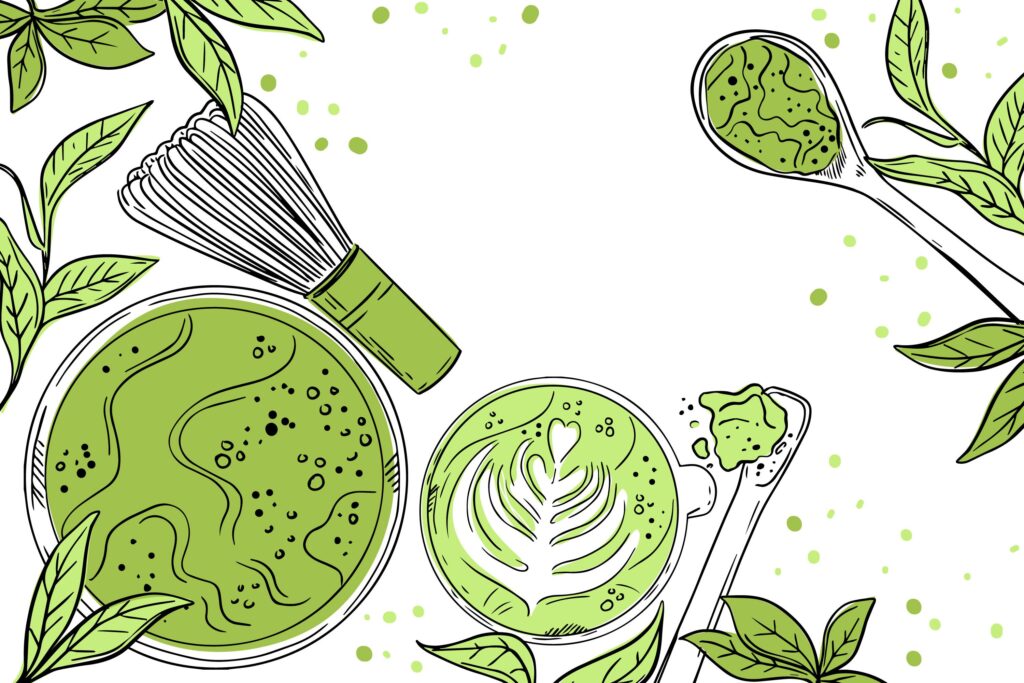
Matcha is the star. Gurugram techies are hosting matcha raves. There are matcha parties and the menu of every cafe worth its name, across Delhi, Bengaluru and Mumbai has something labelled as ‘matcha’ on it – the most popular? Matcha Latte.
Being seen with the emerald green drink has a coolness quotient attached. The same placeholder a little while ago was the avocado toast and before that – turmeric latte.
While the green wave is new, but not matcha. In fact, drinking matcha is one of the oldest Japanese traditions – rooted in Zen practice where preparing and sipping it was considered a mindful practice. It is the repackaging of ancient wisdom in a new green jacket which the internet loves.
Nevertheless, most lifestyle savvy folks have picked up a taste for it. Some are also be heard praising it for its ‘calming effect’ and the ‘slow kick’ as opposed to coffee. To be seen with a cup of matcha is the new badge of cool.
The internet with its love for habits and hacks, fell in love with matcha a while ago for the way it is whisked and strained.
Why the hype? The internet loves a good ritual. Matcha became an instant hit thanks to L-theanine, an amino acid that smoothens caffeine’s spike – and makes it a mindful alternative to coffee. For the wellness conscious millennials and Gen Z, matcha offers focus without jitters. The whisking, pouring and sipping is considered a mindfulness exercise. The emerald green colour adds aesthetic appeal – making it a global lifestyle statement.
But ask health pundits and they are not too sure how useful it is for thosewho have not inherited the drink in gtheir culture.
“Typically, the body has to understand what it is being served. Matcha is so new and so alien to our culture that suddenly making it a part of your food habit may not really add any value. Our bodies best accept nutrition from what is grown naturally. We are most attuned to our own geographies and thst is why it is always important to eat or consume what is locally grown,” health coach, Farzana Lakdawala.
Such is the matcha craze, that globally, the matcha market which was valued at $3 billion in 2023 and is now projected to grow at around 9% CAGR till 2030.
Matcha won its place under the sun with American coffee chains like Starbucks bringing it on the menu. Soon came the rituals like the ‘matcha morning routines’ which eventually translated into morning matcha parties among the up and coming.
In India, Starbucks, Blue Tokai and Third Wave Coffee offer multiple matcha options. Boutique cafes in Gurugram, Bandra and Koramangala have gone ahead to create matcha tiramisu, matcha pancakes and matcha cocktails.
Wellness brands like Tea Trunk, Matcha Maiden, Kimi-No, Tencha are promoting matcha and building knowledge about the drink in India.
Matcha which is powdered green tea is being promoted for fuelling focus, supporting natural detox, acting as a stress shield and for balancing the pH levels of the body – not just energy
Matcha, like green tea has also crossed over to beauty products with creams, masks and supplements coming up in the garb of a ‘match lifestyle’.
Matcha is now a business category, a ritual economy and a cultural shift. Also expensive, a 100gm packet of thegreen powder will cost you anything between Rs 2,000-Rs 4,000.
Matcha’s journey from the ancient Japanese rituals to the screens of hyper-digital fans is a phenomenon in itself.
So much so is the craze for matcha that globally there’s now a shortage of supply leading to a demand-supply mismatch.
For entrepreneurs and brands, the lesson is clear – you have to position your product as healthy and culturally iconic to make your product pretty enough for Instagram and then anchor it in authentic storytelling.
One only hopes that the trend does not dry up like the avocado toast and Vietnamese coffee. But the wild guess is, it might just.