
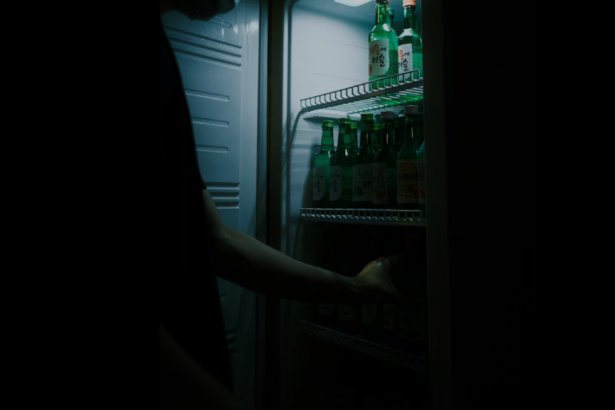
There is a reason the little green bottle became a global aesthetic before it became a drink.
For years, alcohol branding was built around aspiration. Champagne signalled luxury. Whiskey suggested masculinity. Wine leaned intellectual. Then came Soju, soft-spoken but culturally explosive, arriving not through advertising first, but through emotion.
The rise of Korean pop culture changed consumption patterns globally. K-dramas turned ordinary rituals into cinematic moments. A late-night heartbreak conversation over Soju. Friends eating samgyeopsal after work. A confession scene under neon lights with condensation dripping down a green bottle. Viewers were not merely watching characters drink. They were absorbing an entire emotional language.
That emotional intimacy became Soju’s biggest marketing engine.
Historically, Soju dates back to 13th-century Korea, influenced by distillation techniques introduced during Mongol invasions. Traditionally made from rice, modern Soju evolved into a lighter, cleaner spirit with lower alcohol content than many hard liquors. Brands like Jinro and Chum Churum transformed it into a mass cultural product. Today, Jinro is considered one of the world’s highest-selling spirit brands by volume.
And the financial numbers behind the category are now impossible to ignore.
The global Soju market is currently estimated to be worth between US$5.5 billion and US$7 billion, with projections suggesting that the category could cross US$10 billion over the next decade as Korean culture continues to expand its influence globally. What was once a distinctly local Korean spirit has now become an international lifestyle export powered by entertainment, digital culture, tourism and social media aesthetics.
But statistics alone do not explain the obsession.
Soju succeeded because it entered the market as lifestyle currency. It photographs well. It feels approachable. It is inexpensive enough to be democratic but stylish enough to feel globally aware. In an era where identity is increasingly performed online, Soju became less about intoxication and more about participation in a mood.
This is where India enters the story.
Urban Indian consumers are no longer drinking only for taste or status. They are drinking for narrative. Matcha cafés, artisanal coffee, natural wines, Korean skincare and now Korean drinking culture are all part of a broader shift toward culturally coded consumption. The modern Indian millennial and Gen Z audience wants experiences that feel internationally fluent yet emotionally relatable.
And Soju fits that perfectly.
The flavour profile also works in its favour. Unlike harsher spirits, Soju is smoother, often mildly sweet, and available in fruit variants like peach, grape, strawberry and plum. For newer drinkers or consumers who dislike aggressive alcohol notes, it feels less intimidating. In many ways, it behaves socially like a cocktail while still carrying the ritual of a spirit.
There is also the influence of community viewing. An entire generation has watched Korean stars casually pour drinks with two hands, turn away politely while sipping in front of elders, or clink tiny glasses during emotional scenes. These rituals created familiarity long before many Indians actually tasted Soju.
Consumption today is deeply cultural mimicry.
People do not just buy products anymore. They buy entry into a feeling.
The chances of Soju becoming a sustained category in India are therefore very real, especially in metros where Korean beauty, food, fashion and entertainment already hold aspirational value. Restaurants serving Korean barbecue in cities like Delhi, Mumbai and Bengaluru increasingly treat Soju as part of the immersive experience rather than simply another alcohol option.
Still, the trend may evolve differently here.
India historically absorbs global trends by hybridising them. Which means Soju may eventually move beyond Korean restaurants and become integrated into house parties, rooftop gatherings, cocktail menus and influencer culture. One can easily imagine Indian mixologists creating curry-leaf Soju cocktails or mango-chilli infusions designed specifically for local palates.
Because trends survive when they localise.
What began as a Korean cultural export is now becoming emotional lifestyle shorthand for softness, intimacy, aesthetic living and social belonging. The green bottle carries more than alcohol. It carries a mood.
And in the economy of modern culture, moods are often the most profitable products of all.
Mocha Trends keeps an eye on all the cool things happening out there in the business of lifestyle.
